
Table of Contents
III. Side Effects of Popular Blood Thinners
IV. New Blood Thinners vs. Older Anticoagulants
VI. FAQ: How Do I Choose the Right Blood Thinner With My Doctor?
What is Xarelto?
Xarelto is the brand name for rivaroxaban, a prescription anticoagulant used to treat and prevent certain blood clots. It may be prescribed to reduce the risk of stroke and blood clots in adults with nonvalvular atrial fibrillation, treat deep vein thrombosis and pulmonary embolism, and lower the risk of these clots returning after treatment. Xarelto may also help prevent blood clots after hip or knee replacement surgery or in certain adults with limited mobility during and after hospitalization for an acute illness. [1]
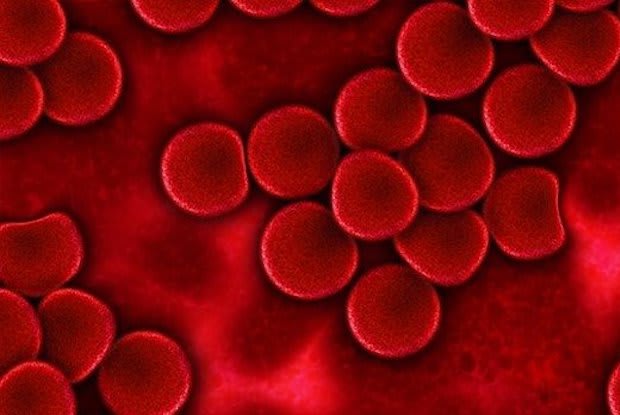
Xarelto belongs to a class of medications called factor Xa inhibitors. It slows the body’s ability to form clots by blocking factor Xa, an enzyme involved in the blood-clotting process. Xarelto may also be used with low-dose aspirin to reduce the risk of certain cardiovascular events in adults with coronary artery disease or peripheral artery disease. [1] To learn more about Xarelto, read our article “Understanding Xarelto.”
Choosing an anticoagulant depends on your condition, bleeding risk, other medications, and overall health. Read on to learn how Xarelto compares with other commonly prescribed blood thinners.
Get savings updates for Xarelto
Comparing Effectiveness
Eliquis (apixaban) is another anticoagulant in the same medication class as Xarelto. Both are direct-acting oral anticoagulants and factor Xa inhibitors. By blocking factor Xa, these medications reduce the body’s ability to form blood clots. Both may be prescribed for conditions such as nonvalvular atrial fibrillation, deep vein thrombosis, pulmonary embolism, and blood clot prevention after hip or knee replacement surgery. [1] [2]
One difference between Xarelto and Eliquis is how often they are taken. Eliquis is taken twice daily. [2] Xarelto dosing depends on the condition being treated. For acute DVT or PE, Xarelto is taken twice daily for the first 21 days and then once daily. Xarelto is also taken once daily for several other approved uses, although some treatment plans require twice-daily dosing. [1] Always follow the dosing schedule prescribed by your doctor.
A review of real-world studies comparing Xarelto and Eliquis found that both medications were similarly effective at preventing another VTE. However, Eliquis was linked to lower rates of major and nonmajor bleeding. Because these findings came from observational studies rather than a randomized head-to-head trial, they do not prove that Eliquis is the better option for every patient. The right blood thinner depends on your condition, bleeding risk, other medications, and overall health. [3]

Side Effects of Popular Blood Thinners
Because Xarelto and Eliquis reduce the body’s ability to form blood clots, both medications can increase the risk of bleeding. You may bruise more easily while taking either blood thinner, or bleeding may take longer than usual to stop. Serious warning signs can include bleeding that is heavy or difficult to control, frequent nosebleeds, unusual bleeding from the gums, heavier menstrual or vaginal bleeding, red or brown urine, black or bloody stools, coughing or vomiting blood, headaches, dizziness, or weakness. [2] [4]
Xarelto and Eliquis can also increase the risk of a spinal or epidural hematoma in people who receive spinal anesthesia or undergo a spinal puncture. This complication can cause long-term or permanent paralysis. Tell your doctor right away if you experience back pain, tingling, numbness, muscle weakness in the legs or feet, or loss of bladder or bowel control. Any severe or uncontrollable bleeding also requires immediate medical attention. [2] [4]
New Blood Thinners vs. Older Anticoagulants
Xarelto (rivaroxaban) is a newer anticoagulant than Coumadin (warfarin). Both medications can help prevent harmful blood clots, but they are taken and monitored differently. Warfarin has been used for many years and may still be a suitable choice for patients who are doing well on it. It is also generally less expensive than newer blood thinners, although the cost of regular blood testing should be considered. [5]
The correct dose of warfarin can depend on your diet, age, and other medications. Patients taking warfarin need regular blood tests to make sure the medication is working properly, and the dose is not too high or too low. Warfarin can also interact with many foods and medications. In particular, patients need to keep their vitamin K intake consistent because sudden changes can affect how well warfarin works. Vitamin K is found in leafy green vegetables such as spinach, kale, and chard. [5]
Xarelto does not require the same routine tests as warfarin. However, Xarelto also works and leaves the body more quickly, so missing doses may increase the risk of serious complications. Whether Xarelto or warfarin is the better choice depends on your health, other medications, treatment needs, insurance coverage, and ability to follow the prescribed dosing and monitoring schedule. [5]

Advantages of Xarelto
Unlike warfarin, Xarelto is not affected by vitamin K intake. This means you generally do not have to limit leafy green vegetables like spinach, kale, broccoli, or asparagus while taking Xarelto. Xarelto also does not require the same routine blood-clotting tests as warfarin, although your doctor may still monitor your kidney and liver function. [5] However, you will still need to take precautions to avoid injuries because Xarelto can increase your risk of serious bleeding. [1]
If your doctor determines that Xarelto is the blood thinner for you, visit a Canadian pharmacy like Canada Med Pharmacy to fill your prescription today. By ordering Xarelto (rivaroxaban) online, you will save a trip to your local pharmacy and find the lowest prices for your medications.
FAQ: How Do I Choose the Right Blood Thinner With My Doctor?
Your doctor will work with you to look at why you need an anticoagulant, your risk of bleeding, your other medications, your kidney and liver health, your insurance coverage, and how realistic the dosing schedule is for your daily routine. Warfarin may cost less upfront, but it requires regular blood tests and for patients to watch their vitamin K intake. Xarelto does not require the same routine clotting tests and is not affected by vitamin K, but it leaves the body more quickly, so taking each dose on schedule is important.
It can also help to compare newer options, such as Xarelto and Eliquis. Both are factor Xa inhibitors, but they are not taken the same way. Eliquis is usually taken twice daily, while Xarelto dosing depends on the condition being treated. Both medications can increase bleeding risk, so your doctor will weigh the benefits and risks based on your health history rather than choosing one based on convenience alone.
To choose the right blood thinner with your doctor, discuss:
- Why you need an anticoagulant and which medications are approved for your condition.
- All prescription medications, over-the-counter drugs, vitamins, and supplements you take.
- Whether you can keep up with routine blood testing if warfarin is being considered.
- How consistently you can take your medication on schedule.
- Whether dietary restrictions matter to you, since warfarin requires steady vitamin K intake and Xarelto does not.
- Your insurance coverage, pharmacy options, and out-of-pocket cost.
- Whether switching is necessary if your current blood thinner is already working well.
The content in this article is intended for informational purposes only. This website does not provide medical advice. In all circumstances, you should always seek the advice of your physician and/or other qualified health professionals(s) for drug, medical condition, or treatment advice. The content provided on this website is not a substitute for professional medical advice, diagnosis or treatment.