

Table of Contents
III. Can I Use Flovent for an Asthma Attack?
VI. FAQ: How Do I Use Flovent Correctly to Get the Most Benefit?
Chronic lung conditions can make everyday activities more difficult and affect a person’s overall quality of life. Nearly 28 million people in the United States have asthma, accounting for about 8% of the population. [1] Chronic obstructive pulmonary disease, or COPD, affects an estimated 24 million Americans. [2] When breathing becomes difficult, even routine tasks can feel exhausting and limiting.
Luckily, there are medications like Flovent HFA that can improve your quality of life and ease symptoms of chronic respiratory disorders. Read on to learn more about Flovent and the conditions that can be improved with its use.
What is Flovent HFA?
Flovent HFA is a prescription inhaled corticosteroid used as maintenance treatment for asthma in adults and children aged 4 years and older. It contains fluticasone propionate, a corticosteroid with anti-inflammatory activity. By decreasing inflammation in the lungs, Flovent HFA helps control asthma over time. It should be used regularly as prescribed, and its full benefits may take one to two weeks or longer to develop. Flovent HFA is not a rescue inhaler and should not be used to relieve sudden breathing problems. [3]
The starting dose depends on your previous asthma treatment and disease severity. Children aged 4 to 11 are generally prescribed 88 mcg twice daily. Because inhaled corticosteroids may reduce growth velocity in pediatric patients, the growth of children and adolescents should be monitored during treatment. Once asthma is stable, the dose should be adjusted to the lowest amount that effectively controls symptoms. [3]
For more information before starting treatment, read our article, “What to Know Before Taking Flovent.”
Get savings updates for Flovent
Flovent HFA vs. Flovent Diskus
Flovent HFA and Flovent Diskus both contain fluticasone propionate and are used for the maintenance treatment of asthma. However, they deliver the medication differently. [3] [4]
Flovent HFA is a pressurized metered-dose inhaler that uses a propellant to deliver an aerosolized suspension into the lungs. It must be shaken before each spray and primed before its first use. It must also be primed again if it has not been used for more than seven days or has been dropped. [3]
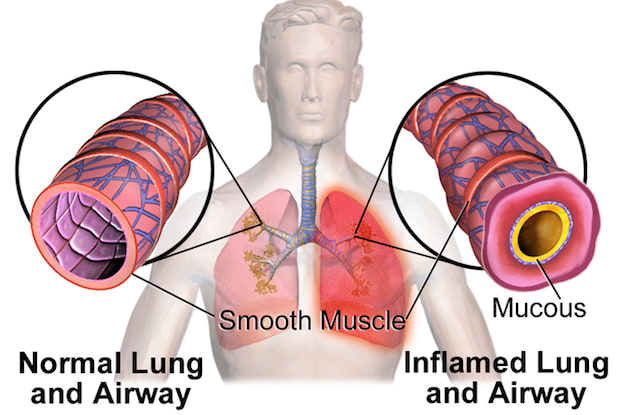
Flovent Diskus is a dry powder inhaler. Each dose is stored in a foil blister and is dispersed into the airflow when the patient inhales through the mouthpiece. Unlike Flovent HFA, the Diskus does not use a propellant. The powder contains lactose monohydrate, which contains milk proteins, so Flovent Diskus should not be used by patients with a severe milk protein allergy. Flovent HFA should be discarded when its dose counter reads 000 or when it reaches the expiration date printed on the packaging. [3] Flovent Diskus 50 mcg should be discarded six weeks after the foil pouch is opened, while the 100 mcg and 250 mcg strengths should be discarded two months after opening. Each Diskus should also be discarded when its counter reaches 0, whichever occurs first. [4] Asthma is a chronic condition that affects the airways in the lungs. During periods of worsening asthma, the airways may become inflamed, swollen, and narrowed. [5] The muscles surrounding the airways can also tighten, and the airways may produce more mucus. Together, these changes make it harder to breathe. [6] Common asthma symptoms include: Asthma symptoms often come and go and may change over time. They may become worse during viral infections, at night or in the morning, or after exposure to certain triggers. Signs that asthma may be worsening include more frequent or severe symptoms, needing reliever medication more often, waking at night because of symptoms, or having difficulty with usual activities. [7] The exact cause of asthma is not fully understood and may differ from one person to another. Several factors may contribute to its development, including family history, viral respiratory infections, and environmental exposures during childhood. [6] Asthma cannot currently be cured, but it can often be managed through treatment, symptom monitoring, trigger avoidance, and an asthma action plan. [5] To learn more about managing your symptoms, read our article “How Do I Keep My Asthma Under Control?” Common asthma triggers include: Flovent contains an inhaled corticosteroid with anti-inflammatory properties. By reducing inflammation in the airways, Flovent can support longer-term asthma control. It is used regularly as a maintenance treatment. Flovent does not relieve sudden bronchospasm and should not be used as a rescue inhaler. [3] No. Flovent is a maintenance inhaler used regularly to help control asthma over time. It is not a bronchodilator and is not approved to relieve sudden bronchospasm or treat an asthma attack that is already happening. Its full benefit may take one to two weeks or longer to develop. [3] [4] During an asthma attack, use your prescribed reliever inhaler according to your asthma action plan. [8] Reliever medications work by relaxing the muscles that have tightened around the airways, providing fast but temporary relief. [9] Depending on your treatment plan, your healthcare provider may prescribe both a daily controller medication and a reliever medication for sudden symptoms. Asthma attacks occur when swelling or muscle tightening narrows the airways and makes breathing more difficult. They may begin suddenly or develop gradually, and severe attacks can be life-threatening. [8] Possible symptoms include: Follow your asthma action plan so you know when to use your reliever medication, contact your healthcare provider, or seek emergency care. Call 9-1-1 if your medications are not relieving your symptoms or if your breathing remains very difficult. You should also seek emergency care if symptoms do not improve soon after using your at-home medications or if you are experiencing a serious asthma attack. [8] Chronic obstructive pulmonary disease, or COPD, is a group of lung diseases that restrict airflow and worsen over time. The two most common forms are emphysema and chronic bronchitis. Although smoking is the main cause, COPD can also affect nonsmokers. Other risk factors include secondhand smoke, workplace or environmental breathing hazards, a family history of COPD, and asthma. [10] Common COPD symptoms include: There is no cure for COPD, but treatment and lifestyle changes can help reduce symptoms, prevent flare-ups, slow disease progression, and improve quality of life. For people who smoke, quitting is an important part of treatment. [10] Inhaled corticosteroids, such as Flovent, reduce inflammation, swelling, and mucus production inside the airways. However, inhaled corticosteroids are generally not used alone for COPD. They may be added to a long-acting bronchodilator, such as a LABA or LAMA, depending on your medical history. If Flovent is prescribed as part of your COPD treatment plan, use it exactly as directed by your doctor. [11] Flovent can cause side effects, although not everyone will experience them. Common side effects of Flovent HFA include: Common side effects of Flovent Diskus include: More serious side effects are possible, including: Seek medical care immediately for symptoms of a serious allergic reaction, such as hives, a rash, swelling of the face, mouth, or tongue, or difficulty breathing. Contact your healthcare provider if your breathing worsens, your rescue inhaler becomes less effective, or you need to use it more often than usual. [4] Use the inhaler exactly as prescribed. After each dose, rinse your mouth with water to help reduce the risk of developing a fungal infection, also called thrush, in the mouth or throat. [3] [4] Use Flovent every day exactly as prescribed, even when you feel well. Flovent is a maintenance inhaler that gradually reduces inflammation in the airways, so it must be used consistently to control asthma over time. It may take one to two weeks or longer to provide its full benefit. Flovent does not work quickly enough to treat an asthma attack. Keep a separate reliever inhaler available for sudden symptoms and follow your asthma action plan so you know when to use it, contact your healthcare provider, or seek emergency care. To use Flovent safely and effectively: The content in this article is intended for informational purposes only. This website does not provide medical advice. In all circumstances, you should always seek the advice of your physician and/or other qualified health professionals(s) for drug, medical condition, or treatment advice. The content provided on this website is not a substitute for professional medical advice, diagnosis or treatment.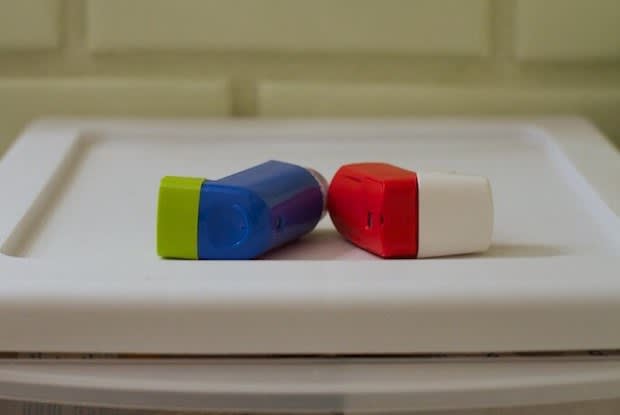
Flovent and Asthma

Can I Use Flovent for an Asthma Attack?
Flovent and COPD

Flovent Side Effects
FAQ: How Do I Use Flovent Correctly to Get the Most Benefit?